Main Nutritious Intent Website

Thursday, March 14, 2019

Going Green

When it comes to nutrition, there are 2 categories of “going green”.
1.   Literally, eating green veggies from the leafy variety to broccoli and brussel sprouts: when it comes to nutrient density, leafy greens set a pretty high standard with loads of vitamins A, C and K, potassium and fiber in only 5 to 40 calorie servings. Cruciferous vegetables such as kale, collards and cabbages, broccoli and brussel sprouts contain all sorts of phytochemicals that help reduce the risk of certain cancers and other diseases.

2.   Going green when it comes to eating is very relevant in the environmental sense. Try these simple tips: 
·      Cook more. Preparing and eating food at home reduces wasted energy and resources. 
·      Add in a vegetarian day or meal into your routine. More plants in our diets means a healthier body and planet.
·      A large proportion of food waste occurs in the home- moldy, liquid produce, stale, expired food. The answer? Meal planning and shopping your fridge, freezer and pantry before grocery shopping. 
·      Reducing food waste eating out - order responsibly - ask for 1/2 or partial portions, share entrees. 
·      With convenience foods, skip the extra bits - straws, lids, and plastic cutlery that you don’t need - don’t take it. 
·      Go reusable when possible - from water bottles to snack and lunch containers. 
·      Start now to plan a garden in a pot, on a window sill, a garden box or planting bed. 

Green is the color of health – and what is healthy for our bodies can also be healthy for our environment.

Tuesday, February 5, 2019

Skip the Sweets: Non-sweet Valentines for you Sweetheart

With more than 1.7 billion spent on candy for Valentine’s day, and an average $140 spent per person on Valentine’s day, there might be more creative ways to show your sweetheart you care than by fueling their sweet tooth. February, as we know, is heart health month and so I’ve found some fun food-related gift ideas that will show them you love them and that you want them to stay healthy for years to come.  
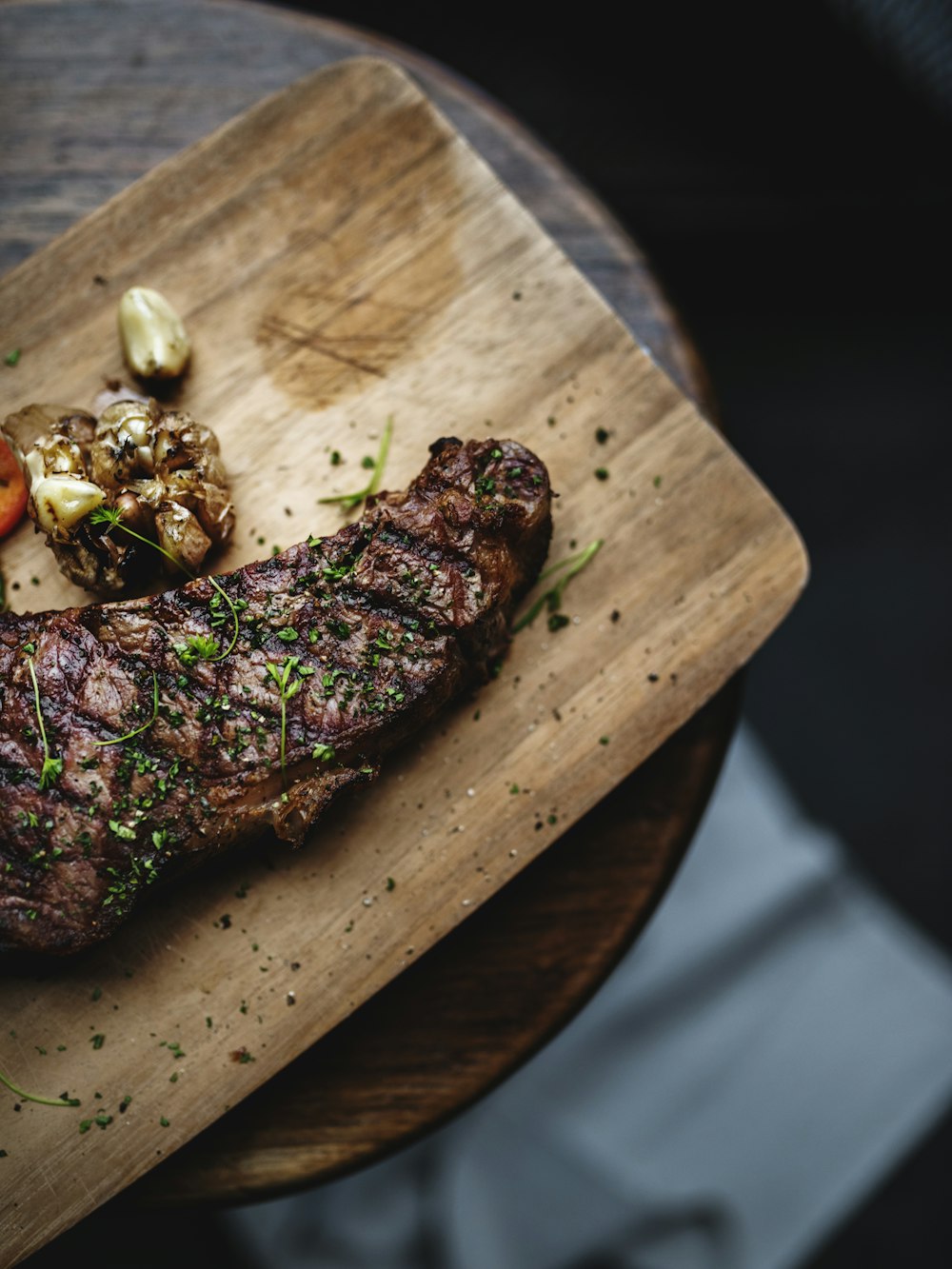
 shallow focus photography of steak on wooden tray

Consider taking a cooking class together, or even just cooking a romantic dinner either together or to surprise your sweetheart.  I’ve brought some traditional Valentine’s day entrĂ©e’s today that are simple, delicious and provide a bit of “wow” factor.  Tuscan Steaks and Mediterranean Grilled Shrimp make great stand alone entrees, or pair up nicely as a romantic surf-n-turf menu.  I like using corn oil because it is full of cholesterol-blocking plant sterols. And in recipes that involve outdoor or indoor pan frying or grilling, the high smoke point makes it an idea choice for recipes such as these.  So, consider either cooking for or alongside your sweetheart for Valentine’s day (and save yourself the stress of braving the crowds).


Another gift idea for the food lover in your life is an edible flower fruit or veggie arrangement. Produce is naturally beautiful and so it is fairly simple to put one of these arrangements together.  Youtube is rife with instructional videos on how to do this.  It is as simple as using a flower-shaped cookie cutter to cut flower shapes from slices of melon and putting them on skewers, or using a paring knife to turn a carrot into a tulip with a few zig-zag cuts.  And making it yourself doesn't just save you money, but earns you bonus points for effort with your sweetheart.
top view photo of green leafed plants in pots
Another option would be a gift that keeps on giving flavor as it grows.  Fresh herbs aren’t just delicious and encourage more creativity in the kitchen, but they have lots of protective health benefits.  Not only do they contain antioxidant vitamins such as A and C, but they contain polyphenols that can help protect against heart disease, Alzheimers, and cancer.  They also have antimicrobial qualities to help protect against harmful bacteria. So consider a counter-top herb garden for your honey.

Thinking a bit more creatively outside the candy box will not just show your sweetheart how much you care about them, but create healthful habits and memories that will last much longer than any simple sugar will.  

Monday, January 28, 2019

Superb Super Bowl Spread Hacks

Here’s a glimpse at what Americans consume on Super Bowl Sunday: 
1.3 billion chicken wings
30 million slices of pizza
325 gallons of beer
Over 9,000 tons of chips
 pepperoni pizza
Noshing is a very big deal for most people on the day of and weekend leading up to the Super Bowl. Not only can that add up to a big calorie load, but a big work load for those hosting. So here are a few tips and things to try to simplify and improve the nutrition of your Super Bowl spread.  
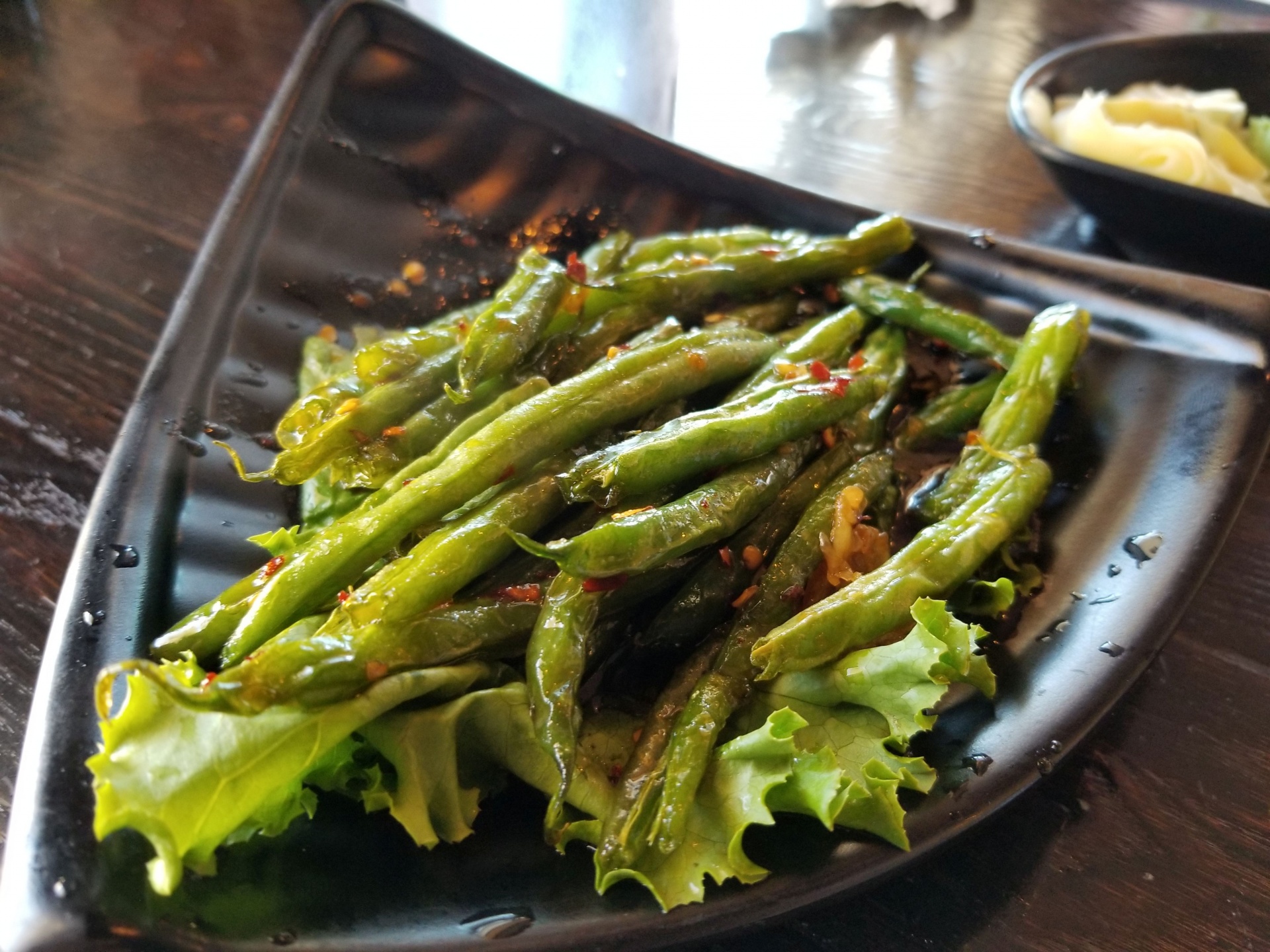
 Japanese Green Beans
I’m always preaching produce, but this time of year can make feeding fresh produce to the crowd at your home a bit pricey.  Think about incorporating some canned produce into your appetizers, sides or other buffet items.  There is a lot of nutrition to be found in canned foods and the convenience and affordability make these tasty options a great way to up the nutrition at your super bowl buffet.  For example, try Kitchen Sink Nachos.

Next, crunchy snackable foods are a must for any game-day spread so consider offering a fun, tasty chip alternative and things can get more complicated when family and friends have all sorts of dietary needs and preferences. Snacks made from chickpeas are a healthful alternative to traditional munchies.
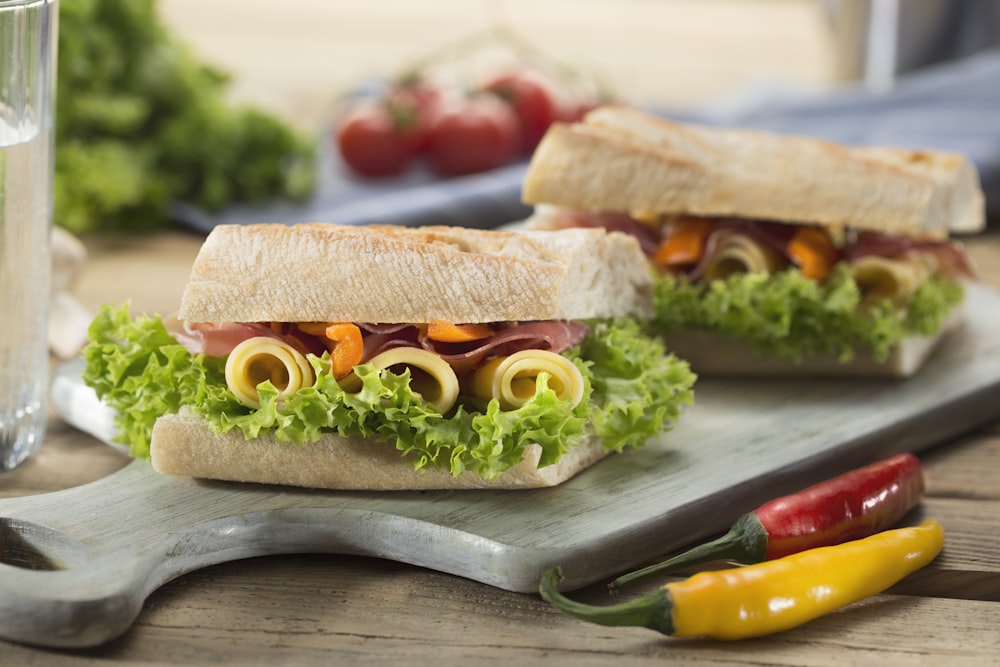
 sandwich with lettuce and cheese served on chopping board
Don’t forget the main dish. For easy prep time that allows everyone to customize to their own preferences, sandwiches and sliders are a great go-to, and a deli tray can cut down your work load significantly.  So let’s revisit any prejudices on processed meats.  Prepare yourself for the permission to enjoy them again! “Processed” simply means “prepared.”  Like all meats prepared at home, processed meats are prepared at a plant – simply on a larger scale and truly all meats must be prepared before being eaten. Prepared, low-sodium deli meats like this beef provide a provide a convenient source of protein, vitamins and minerals. They also have highly bioavailable iron and zinc.
 clear drinking glass filled with water
It’s all about visual balance and moderation.  Keep lots of water handy and visual.  Make sure that those fruit and veggie dishes are visible and handy as that is most of the battle when it comes to food choice. Just a few convenient tweaks can help lighten your load and prevent post-game food coma.  #sponsored

Monday, January 14, 2019

Get to Know the New Nutrition Facts Label

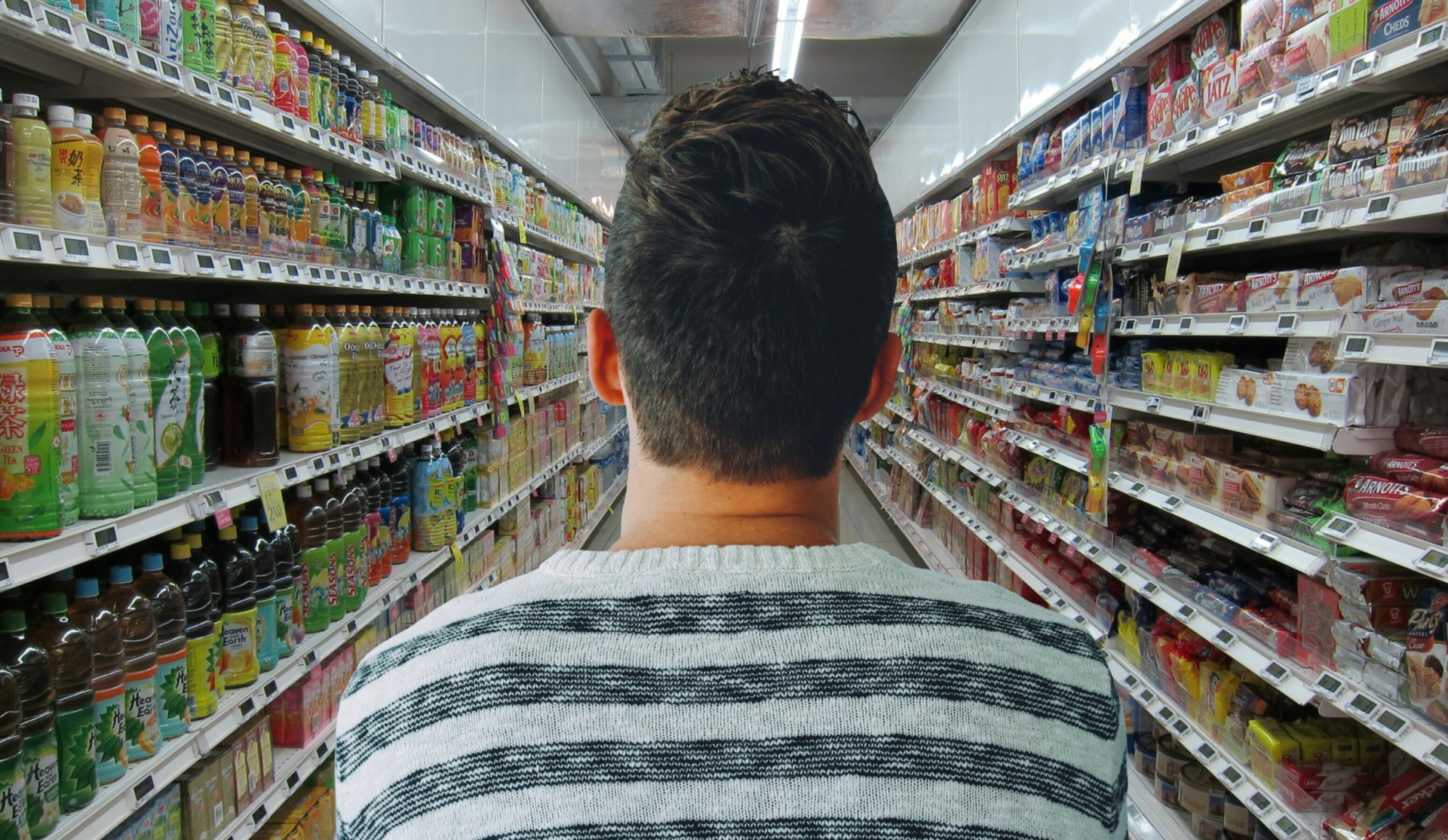
Grocery Market
You may or may not have noticed a change creeping onto your supermarket shelves.  During the past 2 years different looking nutrition labels have been showing up in your grocery store.  It has been 20 years since the nutrition labels on food products has been redesigned, so this is a very welcome change.  Most food producers have until January 1, 2020 to completely switch over to the new label, and smaller food producers have until January 1, 2021 to make the change.  

What is new and why do we care?  The changes better reflect current science and research regarding the American diet as well as current diet habits.  For example, you’ll not see Vitamin C and Vitamin A listed, but instead you’ll see Potassium and Vitamin D.  This is because research indicates that these nutrients are more commonly lacking in the American diet.  

Things that will jump out at you will be serving size and calories.  These are now in larger bolder fonts to make them easier to identify at a glance.  Serving sizes will reflect in many cases portions typically consumed.  For example, 20 oz. beverages will now be listed as one serving per container instead of two.   

One of my favorite changes is the addition of added sugars along with a percent daily value.  On the old label, total sugars didn’t tell the whole story.  For example, a cereal such as raisin bran may strike you as a very sugary cereal if you saw only the 10 grams of total sugars.  But with the new label, you’ll see that there are only 5 grams of added sugars.  The rest of the sugars are naturally occurring in the raisins.  The same goes for dairy foods that contain the naturally occurring sugar - lactase.  

One quick tip for using %DV: 5 is low, 20 is high. Keeping that in mind, you can easily make a comparison or judgement call on a food by comparing the %DV of nutrients that are of particular interest.  It makes choosing a lower sugar, higher fiber cereal easier, it makes choosing a lower sodium soup or canned product a bit simpler. 

So while you're waiting in line at the checkout, take a minute to get acquainted with the new Nutrition Facts Label and put this simple but efffective tool to work for you.

Wednesday, November 7, 2018

Smarter Snacking

When a snack attack takes us by surprise, we rarely take the time an effort to search out a healthful, balanced option, so the first key to smart snacking is to plan ahead.  Portability, produce, and low-prep time are just some of the things to keep in mind when choosing snacks for yourself and your family. Here are few other tips to consider that meet those three criteria.
Location, location, location. Think through your day and decide where to stock some handy snacks to help you avoid the same path to the drive-thru or vending machine.  Some dried fruit, nuts, jerky or dry cereal in your desk at work, in your car’s glove box, or in a pocket of your backpack should contain at least a few non perishable snack items.  
Know your audience.  Whether you have grade schoolers or teenagers bursting through the door around 3:00, chances are they will be famished.  And while cheese sticks, almonds and grapes sound like a picture perfect snack, your kids may have other ideas.  And regardless of how ideal the nutrition content of a snack may be, if it doesn’t go in their mouth, it is a moot point.  So look at the foods they currently eat, choose, or buy for themselves and find ways to up the nutrition.  One example is Cup Noodle – a common teen snack go-to now has a new veggie version with a full serving of veggies per container/serving.  They recently reformulated their recipe so that it now has sodium below 50% daily value, no artificial flavors and no added msg.  (#sponsored) When my kids started driving and bringing home their own snack food stashes, this is the kind of food they gravitated towards.  So gently nudging them towards a choice with more veggies is a move in the right directions that doesn't cause them to rebel against their well-intentioned dietitian mother.  Be realistic and take small steps toward better nutrition with your kiddos. 
Prep ahead.  Something as simple as popping some microwave popcorn while you brush your teeth and bagging it up, and grabbing a clementine or banana on your way out the door will help you hit the spot later in the day as you wait during carpool duty.  Involving your kids in creating their own trail mix, then pre-portioning it out makes a portable snack with very low prep time, and with the addition of dried fruits also hits the produce requirement.  Smart snacking rarely happens spontaneously, but with just a few minutes of planning and preparation, it takes you a lot closer to meeting your nutritional goals in a realistic way for the whole family.  

Thursday, October 25, 2018

Fall Flavor Crave

As the seasons shift and we anticipate cooler weather, our tastes and craving naturally shift as well.  Fall means comfort foods full of warm, rich, flavors unique to the season. The health benefits of eating seasonally include keeping produce intake high, fiber, vitamin A, C, Potassium and other nutrients and compounds that actually boost our immune system and reduce inflammation to keep us healthier this time of year.  Here are some ways to enjoy fall flavors while boosting nutrition at the same time:
Maple is a classic fall flavor and pairing it with some smoky and fall fruit flavors makes for a quick and fresh lunch or dinner go-to sandwich.  I love Eckrich ham fresh from the deli because it is a quality product that makes meal prep simple and quick so you can enjoy more time together as a family.  Spread some rustic bread with a maple mustard, added some Swiss cheese and then some sliced fresh pears and some spinach and deli ham.  It is a simple, yet satisfying way to work in some great nutrition while satisfying some fall flavor cravings.

A discussion on fall flavors wouldn’t be complete without pumpkin.  Caribbean pumpkin-ginger soup is a recipe that packs in all sorts of health benefits. Vitamin A and fiber are some of the obvious nutrients this fall comfort food offers but there are some heart health benefits as well.  September is Cholesterol awareness month so using Mazola corn oil in the recipe also adds some health benefits.  The Journal of Clinical Lipidology has published a study that found that corn oil like Mazola can help lower cholesterol more than extra virgin olive oil.  Another one of my fall flavor traditions is to make homemade fried apple fritters, and corn oil works perfectly for that as well.  

Add fall fruits in unexpected ways.  Kale, spinach and cabbage are in season right now, so consider tossing some cubed or sliced apples or pears into your salad.  And enjoy some anti-inflammatory health benefits by poaching or baking up some apples or pears with some cinnamon for the quintessential fall dessert.  

The take home message is that the more appealing our food is, the more likely we are to enjoy it and find satisfaction from the meal. That behavior increases the nutritional benefit as well as helps reduce stress hormones and promote wellbeing. So the good news is that enjoying seasonal flavors is actually the healthiest as well as the tastiest plan.

Wednesday, October 3, 2018

An Apple A Day


Think that the old adage "an apple a day keeps the doctor away" is stuff and nonsense? Think again.  Here are just a few of the nutrition benefits of one of the most modest members of the produce department.
Apples are good sources of:
  •  fiber
  • vitamin C 
  • all sorts of phytonutrients.  
Eating apples on a regular basis helps lower cholesterol and subsequently risk of:
  • heart disease and stroke
  • lowers risk of certain cancers and type 2 diabetes
  • helps improve gut health 
  • helps with weight management.  

One of the main benefits of apples is also a reason they are passed over – they are so universally available that they are almost invisible.  So start seeing apples.  They are one of the most consistently available and inexpensive items in the produce department, to say nothing of being found at breakfast buffets and fruit bowls everywhere.  

But you may be a bit tired of the traditional plain apple, so here are some ways to fall in love again with nature’s unsung powerhouse:

Add apples to your oatmeal or as part of your parfait. Bring apples into the breakfast scene by slicing them onto your oatmeal (you can cook them with the oatmeal if you like a softer, cooked texture), or dice them and put them on your Greek yogurt parfait.  

Top your toast or English muffin with some nut butter and thin sliced apples, or even add it into your grilled cheese for a sophisticated flavor combination of savory, sweet and tart. 

Make an apple sandwich for lunch.  Spread a cross-sectional slice of apple with some peanut butter, sprinkle with some granola and put an apple slice on top.  

Pull out your apple-prep tools.  Chances are you have an apple slicer, corer or peeler somewhere in the back of a drawer or pantry.  And since a lot of the nutritional benefits are found in the peel, let your kiddos eat the apple “ribbons” as you run them through a peeler. 

No time or energy to bake an apple pie? Make a batch of baked apples in a crockpot or bake them in the oven and freeze them in individual portions for the perfect comforting snack or addition to breakfast on a cold morning.