

There is a lot being said, tweeted and otherwise digitally
shared about the latest announcement regarding processed meat, red meat and
cancer risk. Here’s why you shouldn’t
give in to the media’s scare-tactics.
First: keep terminology in mind: association, link,
and risk. An association or link between
one food and a disease condition is still a somewhat fuzzy terms and do not
mean definite causation. Being raised by
a statistics professor, I was taught to always question the way study results
are presented in print and other media. A
group of findings or research studies often get generalized and misapplied in
the interest of generating buzz. A little skepticism will serve you well when
trying to decipher the hype in the headlines.
If it makes a big media splash, you’d be better off waiting until the
media smoke clears before you weigh in and make drastic changes.
Second: there is a difference here between processed meats
and red meat.

Processed meats contain nitrates
and nitrites which under certain conditions form nitrosamines which since the
70s it has been recognized as carcinogenic to animals. So for quite a while we’ve known that processed meats should be limited in a
healthful diet.
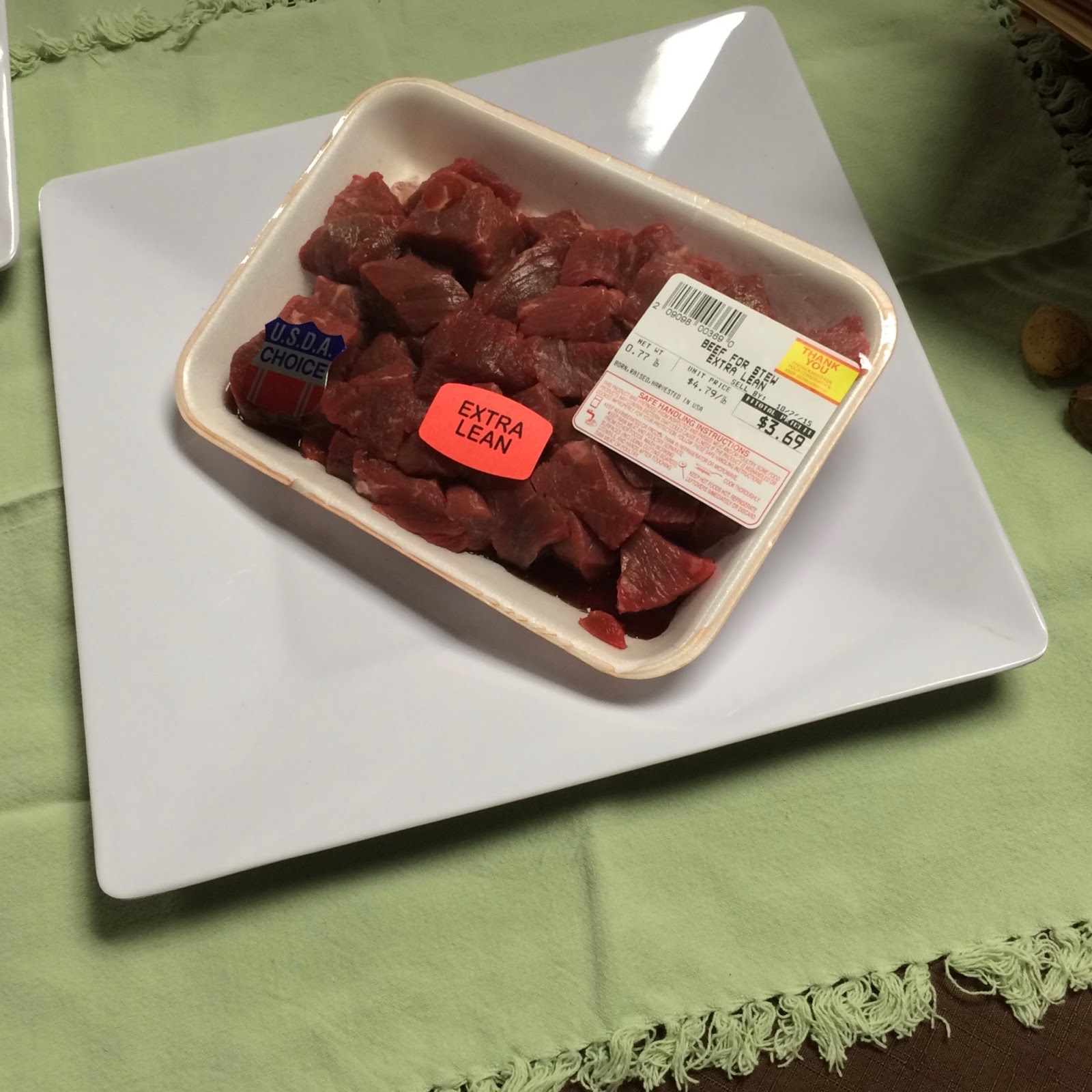
Red meat falls into the
category of “probably” carcinogenic.
There are a lot of beneficial nutrients to be found in red meat, so
don’t completely blacklist the entire category of food.
Third: there is an elephant in the room which is neither
processed, nor red meat. True, those may
be a few of many animals in the room, but let’s not forget the elephant – the
American diet (which is slowly spreading worldwide). Sedentary lifestyles, excessive amounts of
prepackaged, processed foods, and too little produce is the real problem. Don’t let hype over one tree take your focus
from the forest. It is the big picture
of how much, how often and how balanced these foods are with other elements in
your diet that truly determine your state of health and the best way to see
that whole picture is to meet with a Registered Dietitian.

Take home message:
1.
Eat More Plants – half of what goes into your
mouth every time you eat should be plants.
2.
Moderation and Portion – a plate-sized steak or
5 strips of bacon for breakfast every day are not the way to go. However, a few strips of bacon at a weekend
brunch, or the occasional 3 oz. steak are very doable in a healthful diet.
3.
Variety and Frequency – Going vegetarian a few
days a week, mixing up your protein sources to include beans, fish, poultry,
dairy and eggs will help moderate your risk from any one food.
Fear and guilt is what sells, so be wary. At the end of the day, it is the solid,
non-flashy, non-headline habits that lead to life-long health.


